 US: temporary delays — postal services aligning new import rules,
  Europe: 1–2 weeks, 🌍 Worldwide: 1–4 weeks ✈️
Loading...
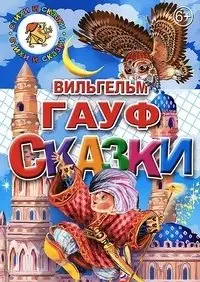
By Вильгельм Гауф
Вильгельм Гауф, 2013, Серия: Стихи и сказки
Сказки Вильгельма Гауфа отличаются глубиной и неповторимым авторским стилем, раскрывая внутренний мир героев и утверждая торжество справедливости. Произведения наполнены волшебством и увлекательным сюжетом, служат воспитательным средством, обогащая внутренний мир ребенка и способствуя развитию нравственных качеств. Сборники сказок Гауфа, содержащие мистику и волшебство, читаются с удовольствием как детьми, так и взрослыми по всему миру. Автор известен своим добродушным и веселым юмором, обаятельным для любой аудитории.
Wilhelm Hauff, 2013, Series: Poems and Fairy Tales
Wilhelm Hauff's fairy tales are distinguished by their depth and unique authorial style, revealing the inner world of characters and affirming the triumph of justice. The works are filled with magic and engaging plots, serving as an educational tool that enriches a child's inner world and promotes moral development. Hauff's collections of tales, featuring mysticism and enchantment, are enjoyed by both children and adults worldwide. The author is known for his good-natured and cheerful humor, charming for any audience.